
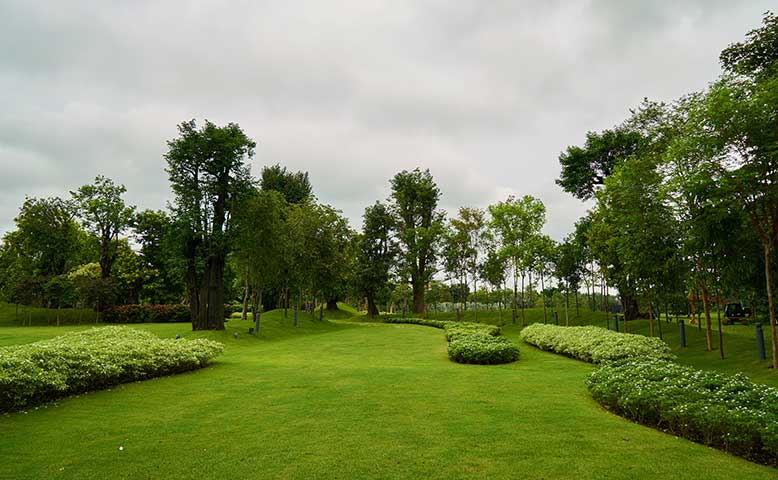
Check your yard first if your water bill seems excessively high. In the summer, watering plants outside can take a lot of water. The good news is that you can cut back on that use without letting your yard turn to dirt. You only need a plan that works when it’s dry. Three factors make landscaping smart for drought: choosing plants that use less water, using soil that holds water longer, and irrigation that goes to the roots instead of the sidewalk. You may begin with one section, such as the front bed or one half of the lawn. After that, go to the next region. Each change lowers waste and lowers demand. This article gives clear steps, simple tools, and basic facts so you can make smart yard choices and save money.
Check Sprinklers First For Easy Water Savings
Before you dig up grass or buy plants, check your watering system. There is a lot of water because sprinklers are aimed incorrectly or parts are worn out. A five-minute check can save weeks of wasted watering.
Right after a watering cycle, walk the yard and look for:
- Spray hitting pavement
- Misty spray (often caused by high pressure)
- A head that drips when the zone is off
- One area is flooded while another stays dry
- Water running down a slope
Do a simple “cup test” to see if the zone is even. Put 8 small cups around one sprinkler zone. Run it for 15 minutes. Compare the water levels. If some cups are much fuller, you are likely running the system longer to help dry spots. That means the wet spots get way too much water.
Quick fixes that matter: clean clogged nozzles, replace broken heads, level tilted heads, and lower run time once coverage is even. If pressure seems high, a pressure regulator can reduce misting and waste.
Keep Grass Only Where You Use It
A large lawn can push your water bill up fast. Grass roots are usually shallow, so hot days dry it out quickly. Then many people water longer and more often. A simple way to save water is to shrink the lawn.
Think of your yard like a home budget: keep what you use and cut what you don’t. Keep grass for play, pets, or sitting. Change the rest into beds, paths, or low-water spaces.
Low-water swaps that still look neat:
- Mulched planting beds with shrubs
- Stone or gravel paths
- Ground cover plants that spread and cover the soil
- A small patio area instead of turf
A helpful method is to group areas by water need. Grass gets one zone. Beds get another zone. Low-water plants get their own zone. This keeps you from watering everything like it is one big lawn.
Even removing a small strip of grass along a fence or driveway can save water, because those areas often get watered but are rarely used.
Choose Tough Plants That Do Fine In Dry Weeks
The easiest way to water less is to plant things that need less water. Many common store-bought plants look nice but need frequent watering. Drought-tolerant plants can handle dry days once their roots are set. Native plants are often a strong choice because they match the local weather.
When you pick plants, look for simple clues:
- Small leaves
- Thick, waxy, or fuzzy leaves
- Plants labeled “low water” or “drought-tolerant” at a local nursery
- Plants that are common in local parks or open areas
Simple plant layout tips:
- Put low-water plants farthest from the house
- Put plants that need more water closer to the house
- Use trees or tall shrubs to shade beds
Why shade helps: Shaded soil stays cooler, and cool soil dries slower. That means you can wait longer between water days.
One more key point: new plants need extra water at first while roots grow. After they are established, most drought-tolerant plants need less frequent watering.
Fix The Soil So Water Stays Near Roots
Bad soil can waste water even if you water “enough.” If the soil is hard and packed, water runs off the top. If the soil is too sandy, water drains away too fast. In both cases, plants miss out, and you end up watering more.
Do a quick test: dig a small hole about 6 inches deep, fill it with water, and watch what happens.
- If it drains in a few minutes, water may be passing through too fast.
- If it sits for a long time, the soil may be packed or heavy clay.
A simple fix for many yards is compost. Compost is broken-down plant material. It helps soil hold water longer and helps roots grow.
Easy compost steps:
- Mix 2–3 inches of compost into new beds
- Add a thin layer around plants once or twice a year
- Water slowly after adding compost so it soaks in
Plain technical info: soil with more organic matter holds more water. It also has better spaces for air and roots. Strong roots pull water better, so plants stay healthy with less watering.
Use Mulch Like A Lid On The Soil
Mulch is a low-cost water saver. It sits on top of the soil and slows drying. It also blocks weeds. Weeds steal water, so fewer weeds mean less wasted water.
Put 2–4 inches of mulch in beds. Keep mulch a few inches away from plant stems and tree trunks. This helps prevent rot and pests.
Good mulch choices include:
- Wood chips
- Bark mulch
- Shredded leaves
- Pine needles (common in some areas)
Here is what mulch does for your water bill:
- Slows evaporation from the sun and wind
- Helps water soak in instead of running off
- Keeps roots cooler on hot days
- Reduces how often you need to water
If you have a slope, mulch matters even more. Water tends to run downhill. Mulch slows the flow so more water stays in the bed.
Switch Beds To Drip And Water At Better Times
Spray sprinklers can waste water through wind, overspray, and mist. Drip irrigation is often better for beds because it puts water right where plants need it. It also runs slowly, so water soaks in instead of running off.
Useful upgrades:
- Drip line tubing for beds
- Drip emitters for shrubs and trees
- Rotating nozzles for lawn zones (they spray more slowly)
- A timer that you can adjust by season
- Fixing leaks and broken parts fast
Watering time matters. Early morning is usually best. Midday heat makes water evaporate faster. Night watering can keep leaves wet too long in some places.
Plain technical info: deep watering helps roots grow deeper. Shallow watering every day keeps roots near the surface. Surface soil dries fast, so plants need more water. Deeper roots help plants handle dry days with fewer watering cycles.
A simple approach: water less often, but long enough to wet the root area.
Catch Rainwater And Slow Runoff Around Plants
Rain may not come often, but you can make it count. Roof runoff can be captured in a rain barrel for small jobs like pots and spot watering. Always check local rules for setup and use.
You can also keep more water in the yard by guiding where it flows:
- Point downspouts into a planted area (with safe drainage)
- Make a shallow bowl of soil around trees to hold water
- Add stones or mulch to slow water on slopes
Plain technical info: runoff is water that moves away before it soaks in. Slowing runoff gives soil more time to absorb water. That means plants get more benefit from each rain, and you water less afterward.
Also, use a hose nozzle with a shut-off lever. It stops water while you walk between plants. That prevents waste during hand watering.
Conclusion: Cut Water Use Without A Messy Yard
You can lower your water bill by making your yard need less water and by stopping waste. Start by fixing sprinkler problems. Then reduce lawn size, plant drought-tolerant choices, improve soil with compost, and cover beds with mulch. After that, use drip watering for beds and water early in the day. These steps help plants stay strong while you use less water each week. If you want help with design or installation, Wild Rock Services Inc. offers landscaping services for residents and commercials, including lawn changes, planting, mulch, soil work, and irrigation upgrades.